
Do you see what I see?

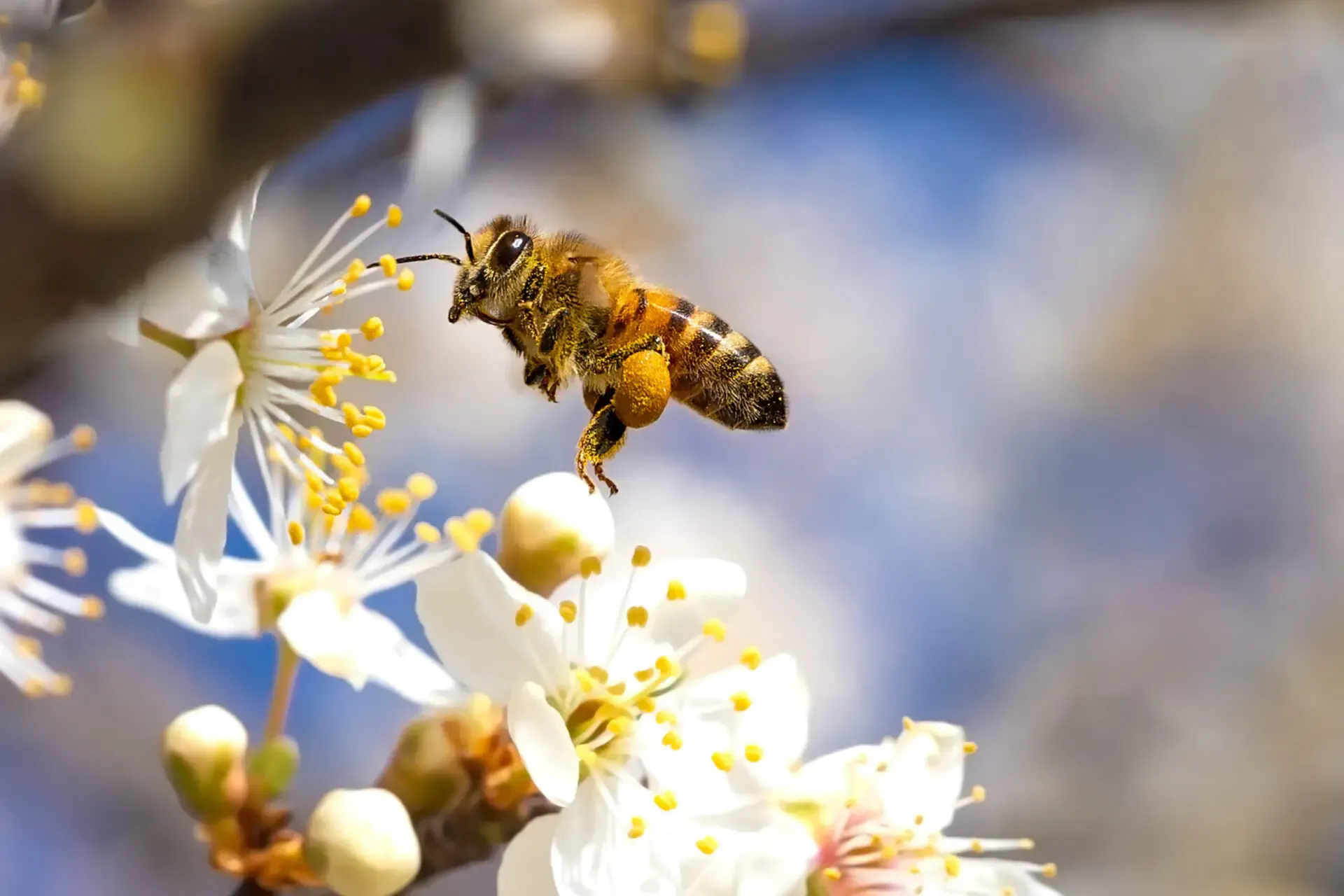
Watch a bumblebee approach a flower.
You and I may see the petals, the movement, and the moment it lands. But that single encounter contains information that our senses never register. Bumblebees can detect the electric fields around flowers and learn to associate their patterns with rewards—the tiny variations between a flower with pollen vs one that has already been harvested. A visiting bee can also change those fields, leaving an electric trace of its past visit.
The flower that you and I see is only part of the flower available to bees.
Wait a few hours. As the last light fades, a bat sends sound into the dark and measures what returns. When a moving target behaves unexpectedly, the bat will change how rapidly it sends out those calls, gathering more evidence.
These animals inhabit the same physical world that we do. Yet they experience it in completely different ways. There’s a direct lesson here for how we build machines.
Human perception is a useful reference point, but it should not be the specification. A machine does not need the world rendered in the form most legible or intuitive to you and I. It needs evidence that helps it do something: hold an unfamiliar object, recognize a changing material, navigate an uncertain environment, and decide whether it knows enough to act. The job to be done should shape what gets measured, how, and when.
Some of that evidence will require new instruments. Some may already exist in measurements we simplify, average, or discard. Some will emerge through the relationships amongst signals. And some will become available only when a machine learns to ask a different question of the physical world.
This is machine-native sensing.
The world is larger than it looks. Different ways of measuring it will make entirely new capabilities possible.
If you're building machines or exploring new ways to learn from the physical world, stop to consider what you measure, what you discard, and how a machine could investigate further for itself.
And then stop to let us know what you're working on. We want to hear from you.